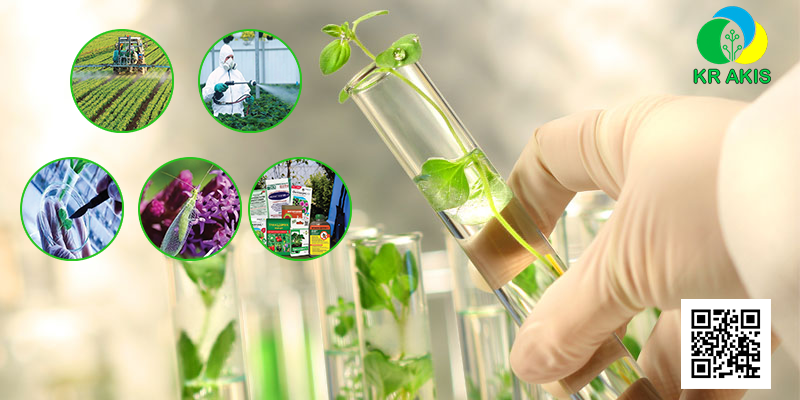
To date, more than 420 plant clinics have been established in all regions of Uzbekistan to carry out agrotechnical, biological and chemical treatment of plants. Unused free buildings and premises can be sold at a "zero" purchase price or provided for long-term gratuitous use to create factory clinics on the basis of public-private partnership agreements with the Uzdavkarantin inspection.
In addition, according to the document, the main requirements for plant clinics created on the basis of public-private partnerships are:
• provide agrotechnical, biological and chemical treatment of plants, forming a disinfection team of at least four people;
• Chemical, biochemical, biological and mechanical means of plant protection for agricultural producers and the population, means for combating pests and plant diseases, including:
pens with pheromones;
biopreparations for pest control;
herbicides, fungicides, insecticides, insecticides,
supply of nematicides and biological products;
• Mandatory presence of a minimum range of chemical, biochemical, biological, mechanical means, devices and preparations to ensure uninterrupted implementation;
• compliance with environmental requirements, sanitary norms, rules and hygienic standards for buildings and premises;
• Availability of appropriate laboratory equipment and inventory for the detection of pests, diseases and weeds, as well as the preparation and packaging of chemical, biochemical and biological plant treatments.
Control over compliance with the above requirements is carried out by the State Plant Quarantine Inspectorate under the Cabinet of Ministers of the Republic of Uzbekistan.
They provide services such as determining the level of plant damage and its prevention, issuing recommendations on planting resistant crops, taking effective (biological, chemical) control measures against them, issuing recommendations on the quality of products grown in residential areas.
Providing services for agrotechnical, biological and chemical treatment of plants, as well as providing agricultural producers and the population with chemical, biological and mechanical means to combat pests and plant diseases, the correct treatment of which is a key task of phytological clinics.
 Ўз
Ўз Ққ
Ққ Ру
Ру En
En